
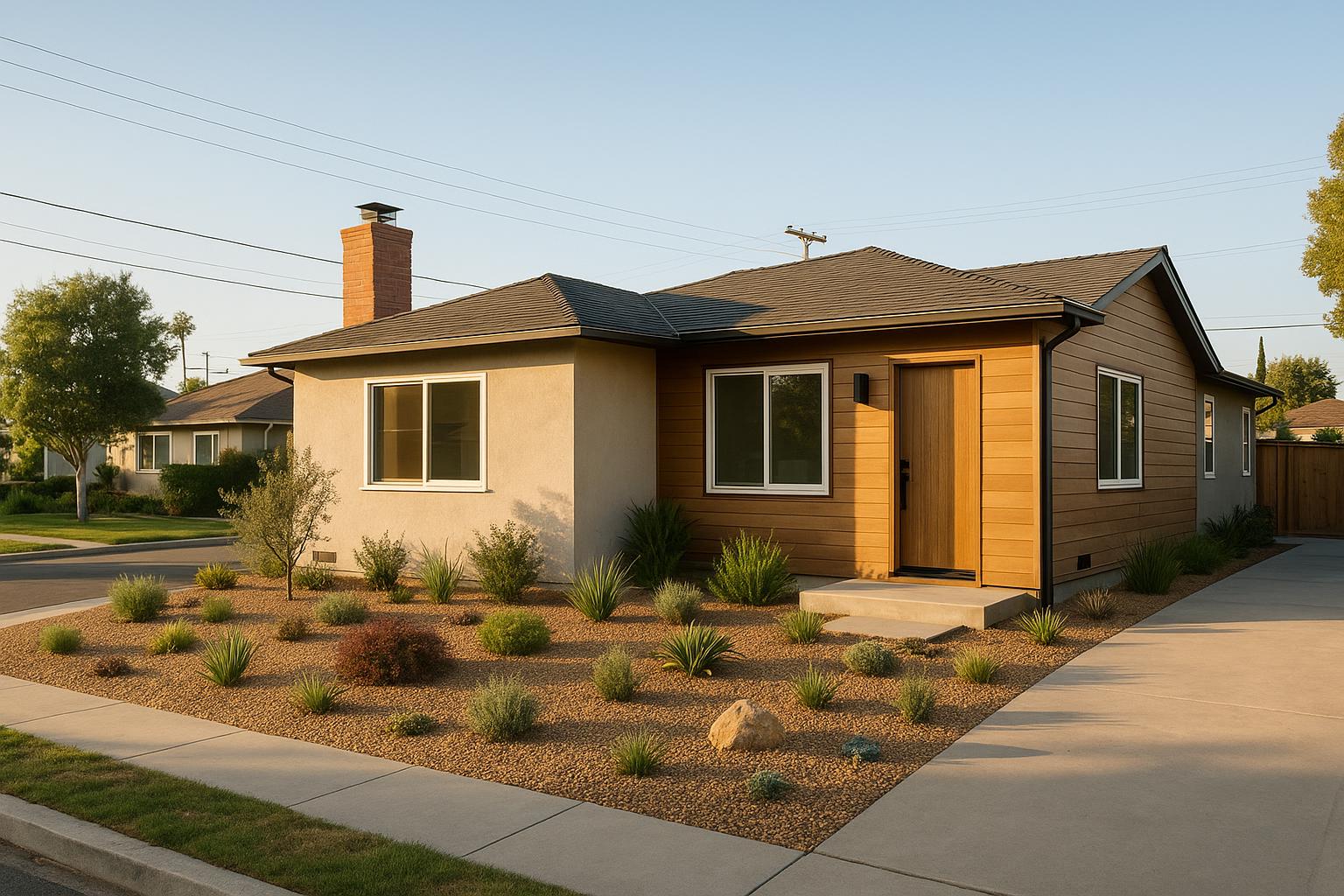
Why Homeowners in National City Are Adding Rooms
National City is a community where families grow, lifestyles evolve, and homes sometimes need to keep up. Maybe your household has expanded and you need an extra bedroom. Perhaps you've started working from home and a dedicated office would change everything. Or maybe you simply want more living space without the hassle and expense of moving to a new neighborhood you love less.
Whatever the reason, a room addition is one of the most impactful investments you can make in your property. It increases your usable square footage, boosts your home's market value, and lets you stay rooted in the community you already call home. But it's also one of the most complex remodeling projects out there — involving permits, structural engineering, foundation work, and coordination across multiple trades.
The good news? With the right planning, a room addition doesn't have to be overwhelming. Here's a practical, step-by-step guide to help you navigate the process from first idea to final walkthrough.
Step 1: Define Your Goals Before You Draw a Single Line
Before you start browsing Pinterest or calling contractors, take time to clarify exactly what you need. Ask yourself these questions:
- What will this room be used for? A bedroom has different requirements than a family room, home office, or in-law suite.
- How many square feet do you realistically need? Bigger isn't always better — especially when it comes to your budget and your lot size.
- Does the addition need a bathroom, kitchenette, or special utilities? Plumbing and electrical additions significantly affect cost and timeline.
- Do you want a single-story or second-story addition? Each comes with unique structural and permitting considerations.
Having clear answers to these questions will save you time, money, and frustration in every phase that follows.
Step 2: Understand National City's Permitting and Zoning Rules
This is where many homeowners get tripped up. In National City, any structural addition to your home requires building permits from the city's Building Division. Zoning regulations will dictate how close your addition can be to property lines, how much of your lot you can build on, and how tall the structure can be.
Some important things to keep in mind:
- Setback requirements determine the minimum distance between your addition and your property boundaries.
- Lot coverage limits cap the percentage of your lot that can be covered by structures.
- If your home is in a specific overlay zone, there may be additional design or height restrictions.
An experienced local contractor will be familiar with these regulations and can help you navigate the permitting process efficiently. Skipping permits is never worth the risk — unpermitted work can lead to fines, forced removal, and serious complications when you try to sell your home.
Step 3: Set a Realistic Budget (and Add a Cushion)
Room additions in the greater San Diego area typically range from $200 to $500 or more per square foot, depending on the complexity of the project. A simple 200-square-foot bedroom addition will cost significantly less than a 400-square-foot in-law suite with a full bathroom and kitchenette.
When building your budget, account for:
- Architectural or design fees
- Permit and engineering costs
- Foundation and structural work
- Framing, roofing, and exterior finishing
- Electrical, plumbing, and HVAC
- Interior finishes like flooring, drywall, paint, and trim
- A contingency fund of 10-15% for unexpected issues
That contingency fund isn't optional — it's essential. Even the best-planned projects encounter surprises once walls are opened or ground is broken. Having a financial buffer keeps the project moving forward instead of grinding to a halt.
Step 4: Choose the Right Contractor
Your contractor is the single most important decision you'll make. A skilled, communicative general contractor will coordinate every aspect of the build — from pulling permits to scheduling subcontractors to ensuring the finished product matches your vision.
Here's what to look for:
- Proper licensing and insurance. In California, any contractor performing work over $500 must hold a valid CSLB license.
- Local experience. A contractor who regularly works in National City and the surrounding South Bay communities will understand local building codes, soil conditions, and permitting timelines.
- A clear, detailed contract. Your agreement should outline the scope of work, payment schedule, estimated timeline, and how change orders will be handled.
- References and a portfolio. Ask to see completed projects similar to yours and speak with past clients.
Be cautious of bids that seem too good to be true. Extremely low estimates often lead to cut corners, surprise charges, or abandoned projects.
Step 5: Plan for the Disruption
Let's be honest — living through a room addition is not always comfortable. There will be noise, dust, workers on your property, and temporary disruptions to your daily routine. Planning ahead makes it much more manageable.
Consider these practical tips:
- Set up a temporary workspace or sleeping area if the construction is near key rooms.
- Talk to your contractor about the daily work schedule so you know when to expect activity.
- If you have pets or young children, create a plan to keep them safe and away from the construction zone.
- Communicate with your neighbors — a quick heads-up about the project goes a long way toward maintaining good relationships.
Step 6: Think Long-Term About Design and Integration
One of the biggest mistakes homeowners make is building an addition that looks and feels like an afterthought. The best room additions are seamlessly integrated with the existing home — matching the roofline, exterior materials, flooring, and overall architectural style.
This is especially important in established National City neighborhoods where homes have a distinct character. A well-designed addition should look like it was always part of the house, not something bolted on as an afterthought.
Work with your contractor and, if needed, an architect to ensure the new space flows naturally from the existing layout. Pay attention to hallway connections, natural light, ceiling heights, and how the addition affects your yard and outdoor space.
The Payoff Is Worth the Process
A room addition is a significant undertaking, but the result — more space, more comfort, and more value in a home you already love — makes the effort worthwhile. The key is approaching the project with clear goals, realistic expectations, and a trusted team by your side.
At Liberty General Contractors, we've helped homeowners throughout National City, Chula Vista, and the greater South Bay turn cramped homes into spacious, functional spaces. If you're considering a room addition and want to talk through your options, we'd love to hear from you. A straightforward conversation is always the best place to start.